Artists similar to
Radiohead
Radiohead are an English band formed in Abingdon, Oxfordshire in 1985, known for reshaping alternative rock through art-rock structures, electronic textures and experimental production.
Abingdon-on-Thames, GB · 1985–present
- Alternative rock
- Art rock
- Electronic
- 1990s
- Atmospheric
- Experimental production
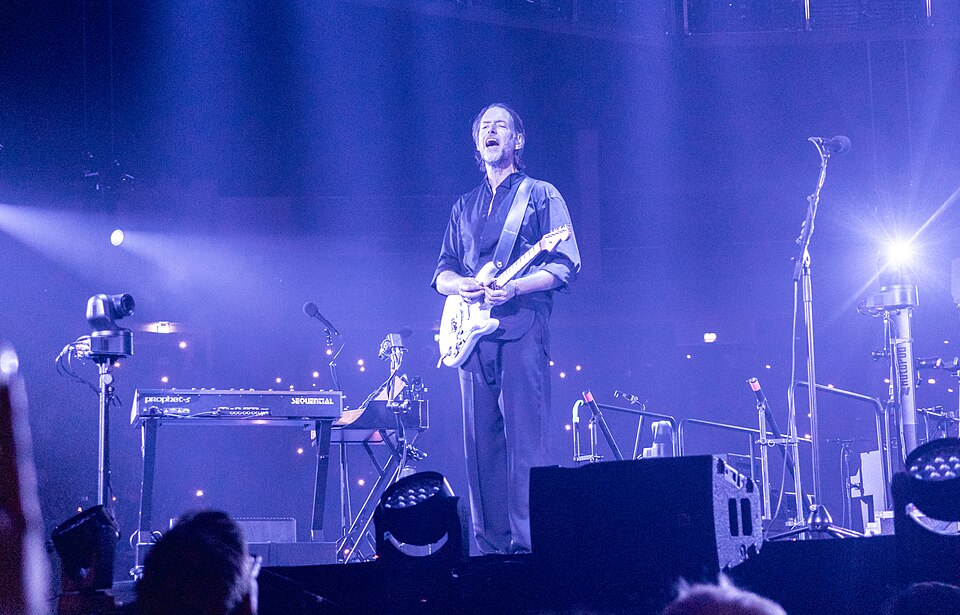
Image: Raph_PH via Wikimedia Commons · CC BY 4.0
The short answer
Where to start
Start with Blur and Pixies for Radiohead’s closest alternative-rock connections, then follow the production, atmosphere and era signals to find the match that fits what you love most.
What do you like about Radiohead?
Choose a connection to reorder these editorial picks. The underlying numbers stay internal.
The five closest matches
- 1
Nirvana
- Editor pick
- Songwriting match
- Same era
- Shared audience
Why they connect: Nirvana and Radiohead share an alternative-rock foundation, overlapping listeners and a stretch of activity in the early 1990s.
One song to start: “All Apologies”
Start here for restrained verses, melodic unease and a controlled rise in intensity rather than Nirvana’s most abrasive side.
Why this match works
Alternative rock is a central connection between Radiohead and Nirvana, reinforced by listener overlap. Nirvana were active from 1987 to 1994, overlapping Radiohead's post-1985 career, though their grunge and noise-rock leanings distinguish them from Radiohead's art-rock and electronic side.
Strongest connections: Era, Sound, Audience overlap.
- 2
Blur
- Editor pick
- Production match
- Same scene
- Same era
Why they connect: Blur connect with Radiohead through British alternative rock, art-rock and experimental leanings, with both bands rising around the turn of the 1990s.
One song to start: “Beetlebum”
Its hazy guitar layers, slow-burn arrangement and uneasy emotional pull form a useful bridge into Blur for a Radiohead listener.
Why this match works
London's Blur began in 1990, five years after Radiohead formed in Abingdon. They share indie rock, art rock and experimental rock, while Britpop is more prominent for Blur. Listener overlap adds another connection.
Strongest connections: Scene, Era, Sound.
- 3
Oasis
- Same scene
- Songwriting match
- Same era
Why they connect: Oasis and Radiohead share a British alternative-rock context, with indie rock, Britpop and overlapping 1990s careers providing common ground.
One song to start: “Gas Panic!”
The darker atmosphere, patient build and unsettled psychedelic production reveal the part of Oasis closest to Radiohead’s moodier rock.
Why this match works
Manchester's Oasis began in 1991, six years after Radiohead formed in Abingdon. Indie rock and Britpop connect them, although Britpop is much more prominent for Oasis than Radiohead's art-rock and electronic directions. The two also have listeners in common.
Strongest connections: Scene, Era, Sound.
- 4
Pixies
- Editor pick
- Instrumentation match
- Same era
- Shared audience
Why they connect: Pixies offer a connection to Radiohead's alternative- and indie-rock side, backed by shared listeners and overlapping eras.
One song to start: “Where Is My Mind?”
The suspended guitar figure, surreal tone and quiet-loud dynamics make this the clearest entry into Pixies from Radiohead’s guitar work.
Why this match works
Boston's Pixies began in 1986, one year after Radiohead formed, and both sit firmly within alternative rock with an indie-rock connection. Their shared listeners reinforce that link, while Pixies' noise-pop and punk-rock associations set them apart from Radiohead's electronic and art-rock side.
Strongest connections: Era, Sound, Audience overlap.
- 5
Arctic Monkeys
- Production match
- Same scene
- Shared audience
Why they connect: Arctic Monkeys share Radiohead's British alternative- and indie-rock territory, with smaller connections through art rock and electronica.
One song to start: “There’d Better Be a Mirrorball”
The spacious production, orchestral colour and emotionally restrained vocal offer the strongest bridge from later-period Radiohead.
Why this match works
High Green's Arctic Monkeys began in 2002, seventeen years after Radiohead formed, but share their British alternative- and indie-rock context. Art rock and electronica offer additional, less prominent links for Arctic Monkeys, alongside listener overlap.
Strongest connections: Scene, Sound, Era.
Further paths from Radiohead
- 6
The White Stripes
- Instrumentation match
- Same era
- Shared audience
Why they connect: The White Stripes connect with Radiohead through alternative rock, indie rock and shared listeners, rather than electronic experimentation.
One song to start: “Icky Thump”
Use its fractured riff, rhythmic tension and deliberately rough texture to test the more physical edge of this connection.
Why this match works
Detroit's The White Stripes were active from 1997 to 2011, overlapping Radiohead's career. Alternative rock and indie rock are their clearest shared territory, supported by listener overlap; the White Stripes' blues-rock and garage-rock emphasis marks a different direction.
Strongest connections: Era, Sound, Audience overlap.
- 7
R.E.M.
- Songwriting match
- Same era
- Shared audience
Why they connect: R.E.M. and Radiohead meet on alternative-rock ground, with shared listeners and careers that overlap across two decades.
One song to start: “E-Bow the Letter”
Its oblique writing, droning arrangement and uneasy guest vocal expose the art-rock edge linking R.E.M. to Radiohead.
Why this match works
Athens, Georgia band R.E.M. were active from 1980 to 2011, sharing the 1990s and 2000s with Radiohead. Alternative rock is the strongest stylistic link, reinforced by listener overlap, while R.E.M.'s jangle-pop and folk-rock associations contrast with Radiohead's art-rock and electronic emphasis.
Strongest connections: Era, Sound, Audience overlap.
- 8
The Cure
- Production match
- Same scene
- Same era
- Shared audience
Why they connect: The Cure share Radiohead's British alternative-rock context and some listeners, though their roots reach back to 1977.
One song to start: “Plainsong”
The huge atmospheric opening, patient pacing and emotional weight provide a direct route from Radiohead into the Cure.
Why this match works
Crawley's The Cure began in 1977, eight years before Radiohead formed, giving them an earlier starting point within British rock. Alternative rock and listener overlap connect the two, while the Cure's post-punk, gothic rock and new wave distinguish them from Radiohead's art-rock emphasis.
Strongest connections: Era, Scene, Sound.
Editorially reviewed by Similar Artist To editorial team. Updated . Similar Artist To is independent and does not represent any artist. How we decide